
Hardeep Singh Puri Claims India Saw Just 7% Rise in Petrol and Diesel Prices in Four Years
Petroleum Minister Hardeep Singh Puri says petrol and diesel prices in India have risen only 7% in four years, compared with increases of 50–70% in several countries.
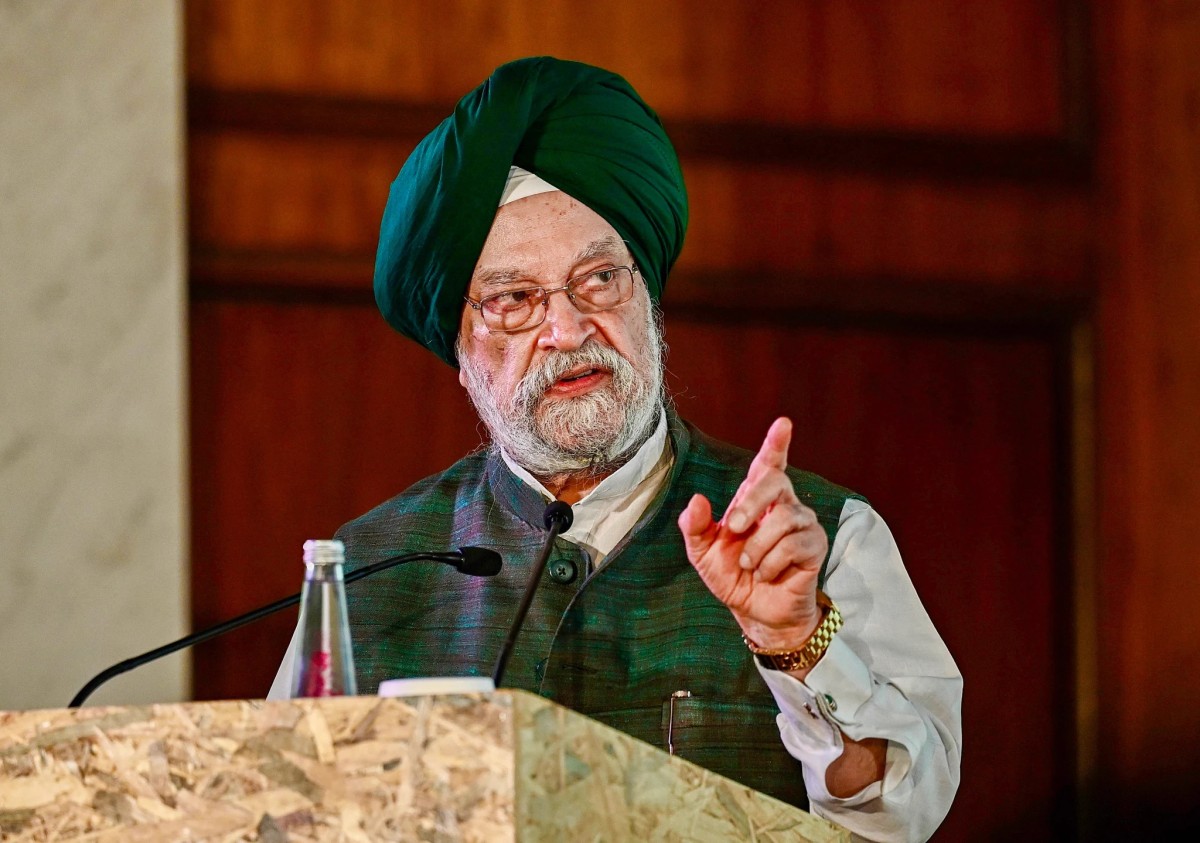
New Delhi: Petroleum and Natural Gas Minister Hardeep Singh Puri has claimed that petrol and diesel prices in India have increased by only around 7% over the past four years, while several other countries have witnessed price rises of 50% to 70%.
Speaking on Sunday, Puri attributed India's relatively limited increase in fuel prices to three rounds of central excise duty cuts and the losses absorbed by state-owned oil marketing companies instead of passing the entire burden on to consumers.
According to the minister, the Centre reduced central excise duty in November 2021, May 2022 and on March 10, 2026. Public sector oil companies, including Indian Oil Corporation, Bharat Petroleum and Hindustan Petroleum, also helped cushion consumers from the impact of higher fuel costs.
Fuel Prices Have Risen Sharply in Several Countries
Puri's remarks come against the backdrop of rising fuel prices in several international markets following the outbreak of the Iran conflict.
According to figures attributed to GlobalPetrolPrices.com, petrol prices in Myanmar have increased by around 75%, while diesel prices have risen by approximately 77.5% since the conflict began.
The UAE has reportedly seen an even sharper increase, with diesel prices rising by 91.8% and petrol prices by 73.4%.
Among India's neighbouring countries, the reported increases are also significant:
| Country | Petrol Price Increase | Diesel Price Increase |
|---|---|---|
| Myanmar | 75% | 77.5% |
| UAE | 73.4% | 91.8% |
| Pakistan | 26% | 30% |
| Sri Lanka | 44.1% | Over 68% |
| Bangladesh | 37.5% | 35% |
These figures highlight the pressure on fuel markets in different parts of the world. However, the actual impact on consumers varies depending on government taxes, subsidies, exchange rates and domestic fuel pricing policies.
Oil Companies Report Losses on Petrol and Diesel Sales
While retail fuel prices in India have not moved in line with some international markets, oil marketing companies have reportedly faced significant losses on fuel sales.
A report by Nuvama Institutional Equities estimated that oil companies incurred a loss of ₹3.1 per litre on petrol sales during the September quarter. This compares with a profit of ₹10.7 per litre during the corresponding period last year.
The situation was more challenging for diesel. Companies reportedly suffered a loss of ₹24.5 per litre on diesel sales, compared with a profit of ₹5.6 per litre in the same quarter a year earlier.
The figures suggest that oil companies have absorbed a substantial part of the increase in fuel costs rather than immediately passing the full impact on to consumers.
Fuel Prices Were Increased in May 2026
The source report also points to the delay in passing on higher crude oil costs to consumers.
It says crude oil prices had surged in February, while Assembly election activity was underway in five states, including Bihar. After the elections concluded, state-run oil companies reportedly increased petrol and diesel prices four times in May 2026.
The report states that the increase was ₹7.50 per litre on each occasion. This figure needs clarification, as it could imply a cumulative increase of ₹30 per litre if each of the four revisions was of that amount.
Domestic LPG Production Increased to 55,000 Tonnes a Day
Puri also rejected claims of a shortage of domestic LPG in the country.
He said daily domestic LPG production had increased from 34,000 metric tonnes to 55,000 metric tonnes. According to the minister, supplies continued without interruption across India's 1.07 lakh petroleum retail outlets.
Puri accused the Opposition of spreading rumours about severe LPG shortages and the exhaustion of cylinder stocks. He maintained that supplies had not been stopped anywhere in the country.
Russia-Ukraine War and West Asia Tensions Continue to Challenge Energy Markets
The petroleum minister said international energy market challenges were far from over.
The Russia-Ukraine war, along with tensions involving Iran, the United States and Israel, continues to affect global energy markets. These developments have contributed to uncertainty over crude oil prices and fuel supplies.
Puri expressed hope that a reduction in international tensions would help bring crude oil prices down, easing pressure on energy markets and consumers.
For India, the challenge remains balancing the impact of global oil prices, the financial position of oil marketing companies and the need to keep domestic fuel costs under control.
What's Your Reaction?
 Like
0
 Dislike
0
 Love
0
 Funny
0
 Wow
0
 Sad
0
 Angry
0

Vivek Awasthi is a Digital Content Producer at Prime Time India (English). He joined in March 2025. As a member of the news team, he is responsible for editing and curating national news, as well as stories concerning Delhi and crime. He also engages in field reporting from time to time; Vivek has a keen interest in going out into the field to uncover the stories behind the news.













Comments (0)