
India's Muslim Population May Reach 334 Million by 2070, Pew Research Report Estimates
Pew Research projects India's Muslim population could reach 334 million by 2070, while Hindus are expected to remain the country's majority.
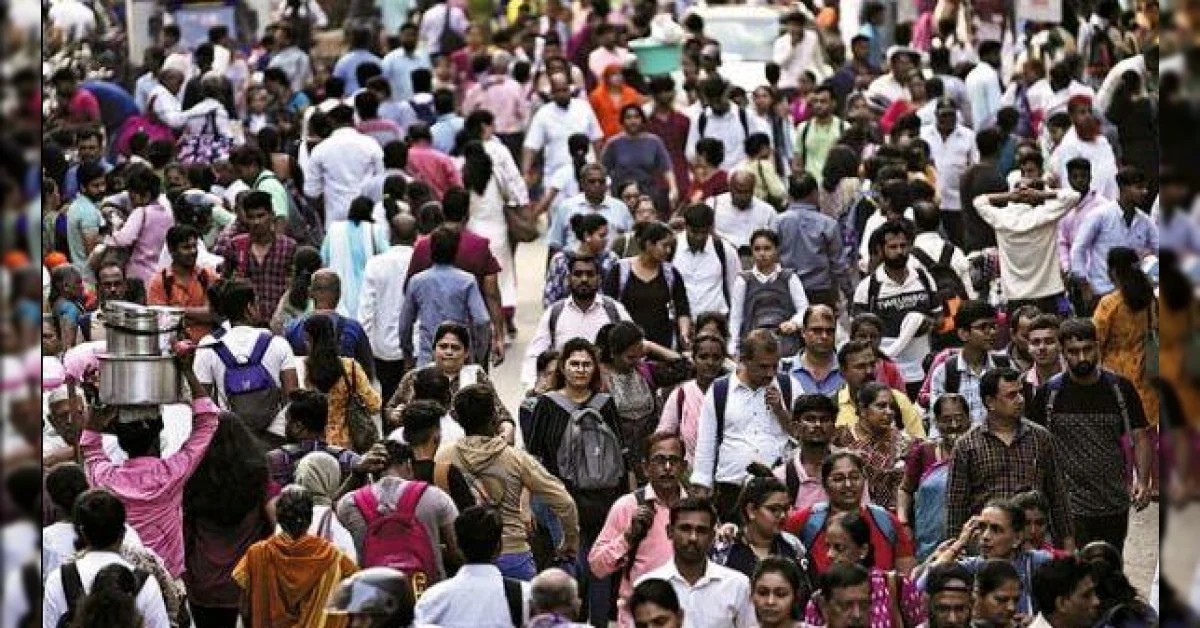
India's Muslim population could increase by around 57% over the next five decades, reaching approximately 334 million by 2070, according to a new report by the Pew Research Center. The report estimates that Muslims could account for 19.6% of India's total population by 2070, compared with 15.2% in 2020.
The findings are part of Pew Research Center's report, The Future of World Religions: Population Growth Projections, 2020–2070, released on November 18, 2026.
According to the projections, India's Muslim population is expected to rise from approximately 213 million in 2020 to 334 million by 2070. The report also highlights an important demographic trend: population growth can continue even when fertility rates are declining, particularly when a community has a relatively young age structure.
Hindu Population Will Also Grow, Remaining the Majority
The report makes it clear that an increase in the Muslim share of India's population does not mean Hindus will become a minority.
According to Pew's projections, Hindus are expected to account for around 75.8% of India's population in 2070, compared with 79.4% in 2020.
The Hindu population is also projected to increase in absolute numbers. Between 2020 and 2070, India's Hindu population could grow by approximately 176 million.
This means that the populations of both religious communities are expected to increase, although their growth rates and shares of the overall population are projected to differ.
Why Is India's Muslim Population Expected to Grow?
Pew identifies two major demographic factors behind the projected growth of India's Muslim population: a relatively young age structure and a higher fertility rate compared with Hindus.
A younger population means that a larger number of people will enter their reproductive years in the coming decades. Consequently, the total number of births can remain high even when the average number of children per woman is falling.
Demographers refer to this phenomenon as population momentum. It explains why population growth does not necessarily stop immediately when fertility rates decline.
Muslim Women's Fertility Rate Has Declined Significantly
Data from India's National Family Health Survey (NFHS) show a substantial decline in fertility rates among Muslim women over the past three decades.
In 1992–93, the total fertility rate among Muslim women stood at 4.4 children per woman. By 2019–21, it had fallen to 2.36.
Among Hindu women, the fertility rate declined from 3.3 children per woman in 1992–93 to 1.94 in 2019–21.
The decline has continued in recent years as well. Between NFHS-4 (2015–16) and NFHS-5 (2019–21), the fertility rate among Muslim women fell from 2.62 to 2.36. During the same period, the rate among Hindu women declined from 2.13 to 1.94.
These figures indicate that the fertility gap between the two communities has narrowed over time, even though a difference remains.
Why Does a Five-Year Difference in Median Age Matter?
Pew's report also highlights the importance of age structure in understanding future population growth.
According to its global figures for 2020, the median age of Muslims worldwide was 24 years, compared with 29 years among Hindus.
These are global figures and should not be interpreted as the separate median ages of Muslim and Hindu populations in India.
A relatively young population generally means that more people will enter the family-forming age groups in the coming years. This can sustain population growth even when fertility rates are declining.
This demographic effect is one of the reasons why changes in fertility rates do not immediately translate into a slowdown in total population numbers.
Will India Have the World's Largest Muslim Population by 2070?
Despite the projected increase, India is expected to remain the world's second-largest country in terms of Muslim population by 2070.
According to Pew's estimates, Pakistan could move into the top position, overtaking Indonesia. India's Muslim population is projected to reach approximately 334 million by that time.
The report also projects substantial growth in the global Muslim population. Worldwide, the number of Muslims could increase by around 80% between 2020 and 2070, reaching approximately 3.6 billion.
Pew's projections suggest that Muslims could overtake Christians to become the world's largest religious group by around 2035.
Why Pew's 2070 Population Figures Should Be Viewed as Projections
Pew Research Center's estimates are based on current demographic trends and are not guaranteed predictions of the future.
The projections take into account factors such as age structure, fertility rates, mortality, migration and changes in religious identification.
India's delayed 2021 Census is another important consideration. In the absence of updated census figures, the report used the 2011 Census as a starting point to develop estimates for 2020.
Future developments such as wars, pandemics, economic crises and natural disasters could also alter population trends.
Therefore, the projected figures for 2070 should be understood as estimates based on present demographic conditions rather than a fixed picture of India's future religious composition.
What's Your Reaction?
 Like
0
 Dislike
0
 Love
0
 Funny
0
 Wow
0
 Sad
0
 Angry
0

Ajay Gupta is a Senior Digital Content Producer at Prime Time India (PTI) Digital. He brings 19 years of experience, spanning both field reporting and desk-based editorial work. He began his journalistic career in 2006 with the Hindi newspaper Jansansar. He possesses extensive experience covering politics and crime, and has also worked on the central desk at Dainik Jagran, Nai Dunia, Haribhoomi. Furthermore, he has covered numerous elections from the ground. For the past six years, he has been working on the digital news desk at PTI (Prime Time India). He also has a strong grasp of Google Trends and podcasts.















Comments (0)