
Menopause Care in India: Karnataka's Ruthu Taare Programme and Other State Initiatives
Karnataka's Ruthu Taare programme highlights India's growing focus on menopause care, with Maharashtra, Chhattisgarh and Kerala also expanding midlife women's health services.
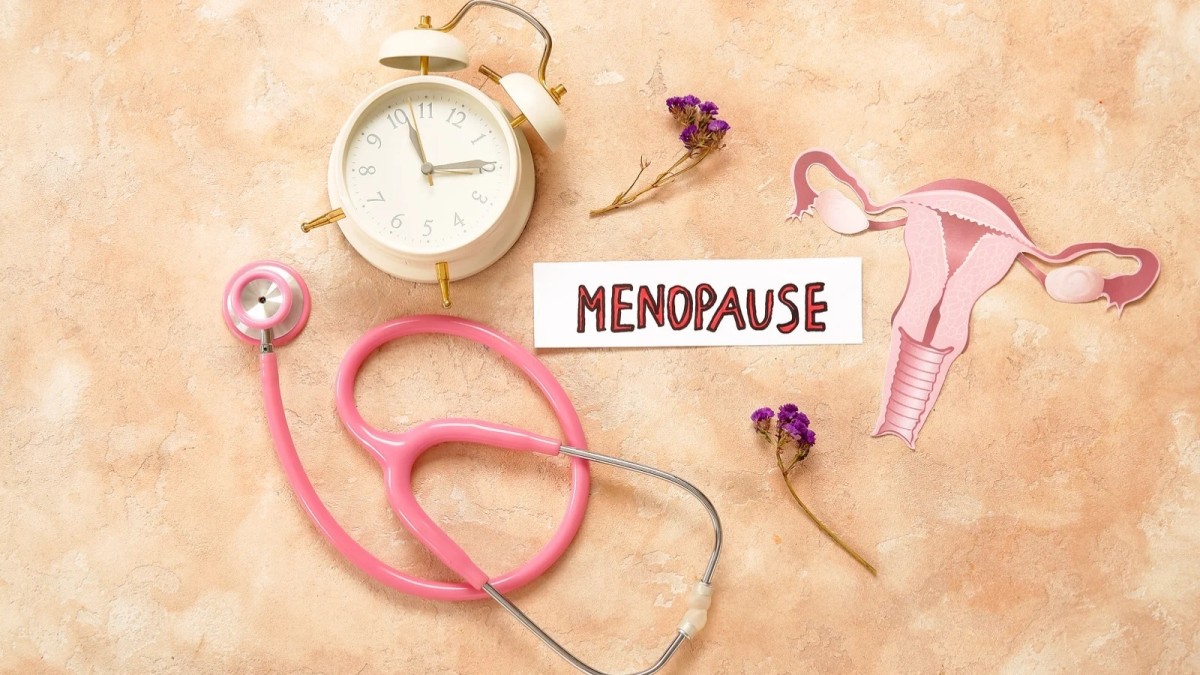
Menopause remains one of the most overlooked areas of women's healthcare in India, despite affecting millions of women during midlife. Physical discomfort, hormonal changes and emotional challenges can significantly affect quality of life, yet many women continue to face these changes without adequate medical advice, counselling or specialised support.
Recognising this gap, the Karnataka government has launched a three-month pilot of Ruthu Taare, a Mid-Life Women's Health and Menopause Programme, in Dakshina Kannada district. The initiative aims to bring menopause-related services into the public healthcare system and make preventive screenings, medical consultations and counselling more accessible.
The programme will cover women aged 35 and above, acknowledging that women's healthcare requirements continue well beyond their reproductive years.
Karnataka's Ruthu Taare Programme: What Women Can Expect
Under the pilot initiative, dedicated clinics will be organised every Wednesday at primary health centres, taluka hospitals and district hospitals. Selected medical colleges may also arrange special clinics on Saturdays.
The programme follows a comprehensive approach to midlife healthcare. Its services will include general health examinations, mental health assessments, nutrition counselling and referrals for specialised medical treatment.
Women will also be screened for hypertension, diabetes, obesity and other cardiometabolic risk factors. Breast and cervical cancer screening, bone health promotion and osteoporosis prevention will form additional components of the initiative.
A key feature is the proposed Mid-Life Health Card, which will help maintain records of health assessments, screening results, referrals and follow-up consultations. This is intended to support continuity of care rather than limiting treatment to a single visit.
The government will also train frontline healthcare personnel, including Accredited Social Health Activists (ASHAs), community health officers, medical officers and nursing staff. Their role will include identifying women who need medical support and connecting them with appropriate services.
After the three-month pilot, the programme will be evaluated on the basis of screening coverage, completion of referrals, availability of services and operational feasibility. The findings will help determine whether it can be expanded across Karnataka.
Why Menopause Needs More Attention
Perimenopause and menopause bring natural hormonal and biological changes, but their effects can extend beyond the end of menstruation. Some symptoms may continue for several years and require medical attention.
Common experiences include hot flashes, night sweats, disturbed sleep, mood changes, anxiety, joint pain and vaginal or urinary discomfort. Changes in bone density, cardiovascular health and metabolic functioning may also become important concerns during this stage of life.
However, menopause is often treated as a normal transition that women should manage without professional help. Social stigma, limited awareness and insufficient training among healthcare providers can make it harder for women to recognise symptoms and seek appropriate treatment.
According to the Indian Menopause Society, the average age of natural menopause among Indian women is approximately 46.6 years, compared with around 51 years among Caucasian women.
This difference makes awareness, timely medical guidance and preventive healthcare particularly important for women in India.
Maharashtra, Chhattisgarh and Kerala Also Expand Menopause Services
Karnataka's initiative comes amid growing recognition of midlife women's healthcare needs in other states.
Maharashtra introduced dedicated menopause clinics across government hospitals and urban health facilities earlier in 2026. These facilities offer medical consultations, mental health counselling and screenings related to bone, cardiovascular and hormonal health, along with medicines and healthcare guidance.
Chhattisgarh has taken a counselling-focused approach by establishing menopause counselling centres through urban community health centres and urban primary health centres.
According to the National Health Mission's 2026 Compendium of Best Practices, the programme combines routine medical check-ups with psychological counselling, yoga, dietary and lifestyle guidance, and community support groups. It also includes training for healthcare professionals to recognise physical and psychological symptoms associated with menopause.
Kerala, meanwhile, has allocated ₹3 crore in its 2026-27 state budget towards setting up menopause clinics. The proposed facilities are intended to provide medical consultations, mental health counselling, screenings related to heart, bone and hormonal health, medicines and guidance.
These state-level initiatives reflect a growing effort to bring menopause into mainstream public healthcare. Their effectiveness, however, will depend on sustained funding, trained personnel, accessible facilities and consistent implementation.
Why India Needs a National Menopause Healthcare Framework
The growing number of women entering midlife makes menopause care an increasingly important public health issue.
The Indian Menopause Society's 2026 guidelines estimate that approximately 46 million Indian women were aged between 45 and 49 in 2024. Based on United Nations population projections, this figure could increase to around 57 million by 2050.
Despite the scale of the population affected, dedicated menopause-related indicators remain limited in India's official health data. The National Family Health Survey-6, released by the Ministry of Health and Family Welfare, does not include specific menopause-related indicators.
The lack of comprehensive data makes it difficult to assess the full scale of healthcare needs, identify regional gaps and measure the impact of existing programmes.
A national framework could help address these limitations by integrating menopause services into primary healthcare, improving medical training, strengthening public awareness and ensuring access to appropriate treatment and counselling.
Women's Healthcare Must Continue Beyond the Reproductive Years
For decades, public discussions around women's health have largely focused on menstruation, pregnancy and childbirth. Midlife health deserves the same level of attention, particularly because hormonal and physical changes during this period can affect women's long-term well-being.
Karnataka's Ruthu Taare programme, Maharashtra's menopause clinics and Chhattisgarh's counselling centres offer different models for addressing this gap.
The broader challenge is to make such services sustainable and accessible, especially for women living in rural areas and underserved communities. Regular screenings, reliable health information, trained medical professionals and mental health support should become essential parts of midlife healthcare.
Menopause should not remain a subject that women are expected to deal with silently. Recognising it as an important public health priority is a necessary step towards helping women navigate this stage of life with better health, confidence and dignity.
What's Your Reaction?
 Like
0
 Dislike
0
 Love
0
 Funny
0
 Wow
0
 Sad
0
 Angry
0

Anita Chauhan has been active in entertainment journalism for the past six years. She has conducted numerous interviews with Bollywood and television stars, establishing a strong foothold in the field. With experience in copywriting, feature writing, and video content creation, Anita Chauhan crafts multifaceted and engaging stories.













Comments (0)