Russia-Ukraine War: EU Unity Questioned Amid Putin and Peace Negotiation Debate
Questions over EU unity and diplomatic representation emerge amid Russia-Ukraine war discussions and debate over Putin's position on negotiations.
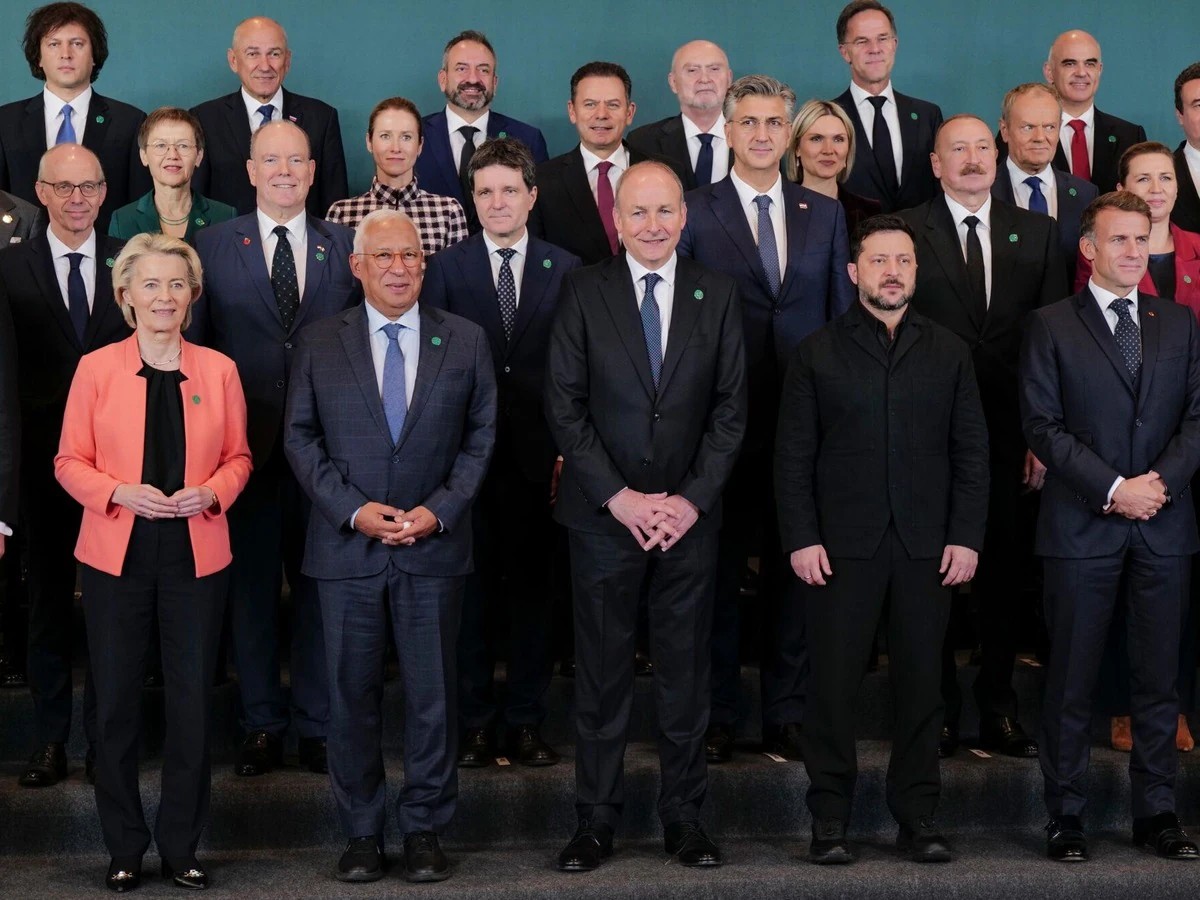
The ongoing Russia-Ukraine war has raised fresh questions about Europe's diplomatic strategy, with concerns reportedly emerging over the European Union's ability to maintain a unified position in discussions surrounding a possible settlement.
A report by Live Hindustan points to a growing representation crisis within the European bloc, suggesting that differences among member countries could complicate efforts to establish a common negotiating position. The issue has also brought Russian President Vladimir Putin's position into focus, particularly regarding which European representatives Moscow would be willing to engage with.
Questions Over Unity Within the European Union
The European Union has consistently supported Ukraine since Russia launched its full-scale invasion in February 2022. However, individual member states have different political priorities, security concerns and approaches towards Moscow.
These differences can make it difficult for the bloc to speak with one voice on sensitive diplomatic matters.
The reported concerns over internal trust and representation highlight the challenge of coordinating a common European position at a time when discussions about the future of the war remain critical.
Putin's Position Adds Complexity to Diplomatic Efforts
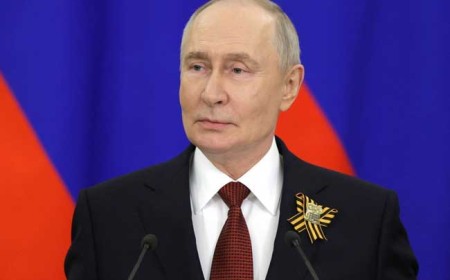
Russian President Vladimir Putin's willingness to engage with particular international representatives is an important factor in any potential peace process.
Moscow has repeatedly criticised Western policies towards Russia, while European governments have maintained that Ukraine's sovereignty and security must remain central to any settlement.
The question of who represents Europe in negotiations could therefore become a significant diplomatic issue.
However, the precise nature of Putin's reported position and whether Russia has formally objected to any particular European representative require confirmation.
Why European Representation Matters
A peace negotiation involving Russia and Ukraine would require agreement on several complicated issues, including territorial disputes, security guarantees, sanctions and the future relationship between Ukraine and Western institutions.
For the European Union, representation is particularly important because its member countries have different levels of involvement in the conflict and varying strategic interests.
A divided negotiating position could weaken Europe's diplomatic influence, while a coordinated approach could give the bloc a stronger voice in discussions about regional security.
Ukraine Remains Central to Any Peace Settlement
Despite discussions about international representation, Ukraine remains the country most directly affected by the war.
Any agreement concerning its territory, security arrangements or political future would have major implications for its sovereignty and long-term stability.
European governments have repeatedly emphasised the importance of Ukraine's participation in decisions affecting its future.
Can Europe Present a United Diplomatic Front?
The reported representation concerns underline a broader challenge for the European Union: maintaining unity while dealing with a conflict that has reshaped the continent's security environment.
Whether European countries can agree on a common diplomatic approach may influence their role in future negotiations.
For now, the Russia-
What's Your Reaction?
 Like
0
 Dislike
0
 Love
0
 Funny
0
 Wow
0
 Sad
0
 Angry
0

Jaspreet Walia is a digital content producer at Prime Time India. He has 6 years of experience in journalism and covers international affairs (world section). He began his digital career with Amar Ujala, subsequently worked with Surbhi Saloni Hindi and Patrika, and is now with Prime Time India. He completed his education at Chaudhary Charan Singh University and the Indian Institute of Mass Communication.








Comments (0)