
Delhi AQI Today: Pollution Index Hits 577 on November 14, 2026
Delhi's AQI reportedly reaches 577 on November 14, 2026, as toxic smog raises serious health concerns across the national capital and NCR.
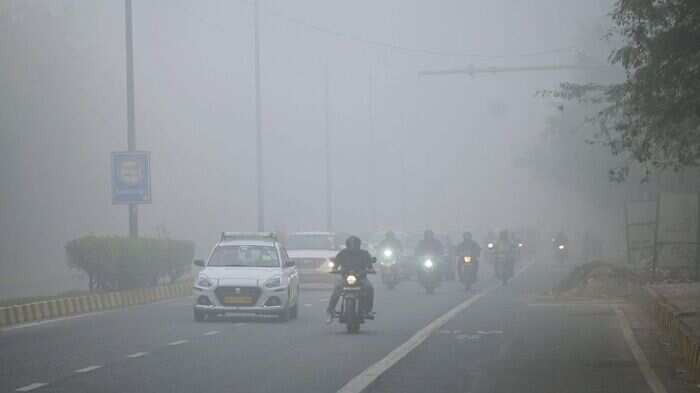
New Delhi : Air pollution in Delhi has reached an alarming level, with the Air Quality Index (AQI) reportedly climbing to 577 on November 14, 2026. The sharp deterioration has raised serious concerns among residents as thick smog continues to affect visibility and worsen breathing conditions across parts of the national capital and the surrounding NCR region.
With pollution levels far beyond the severe category, the situation has once again brought Delhi's recurring winter air quality crisis into focus.
Delhi AQI Reaches 577, Raising Health Concerns
According to the report by Navbharat Times, Delhi's AQI touched 577 on November 14. Such a reading indicates extremely hazardous air conditions, although India's official AQI scale classifies readings above 400 as severe.
At these levels, air pollution can affect even healthy individuals, while children, older people and those with existing respiratory or cardiovascular conditions face greater risks.
The reported figure also highlights the seriousness of the pollution situation across the capital.
PM2.5 and PM10 Pollution Add to the Concern
Fine particulate matter, particularly PM2.5, is among the most concerning components of polluted air. These tiny particles can travel deep into the lungs and may enter the bloodstream.
PM10 particles can also affect respiratory health, especially when exposure continues for extended periods.
High concentrations of particulate pollution can contribute to coughing, throat irritation, breathing difficulties and worsening symptoms among people with asthma and other respiratory conditions.
Thick Smog Affects Delhi-NCR
The pollution crisis is not limited to Delhi alone. Several parts of the National Capital Region can also experience deteriorating air quality because of shared weather conditions and regional pollution sources.
Low wind speeds, colder temperatures and atmospheric conditions that restrict the dispersal of pollutants can allow harmful particles to accumulate close to the ground.
The resulting smog can also reduce visibility, creating difficulties for commuters and motorists.
Health Precautions During Severe Pollution
Residents are advised to take precautions while pollution levels remain extremely high.
Some practical steps include:
-
Avoid outdoor exercise and strenuous physical activity.
-
Limit unnecessary outdoor exposure, particularly during periods of high pollution.
-
Wear a well-fitted N95 mask when going outside.
-
Keep doors and windows closed when outdoor air quality is particularly poor, where practical.
-
Use indoor air filtration if available.
-
Follow official health and pollution-control advisories.
People experiencing severe breathing difficulties, chest pain or other serious symptoms should seek medical attention promptly.
Why Does Delhi Face Severe Air Pollution Every Winter?
Delhi's winter pollution problem is influenced by several factors, including vehicle emissions, construction dust, industrial pollution, waste burning and seasonal agricultural fires in neighbouring states.
What's Your Reaction?
 Like
0
 Dislike
0
 Love
0
 Funny
0
 Wow
0
 Sad
0
 Angry
0

Vivek Awasthi is a Digital Content Producer at Prime Time India (English). He joined in March 2025. As a member of the news team, he is responsible for editing and curating national news, as well as stories concerning Delhi and crime. He also engages in field reporting from time to time; Vivek has a keen interest in going out into the field to uncover the stories behind the news.













Comments (0)