
Rhenium Powder in Gold: The Rare Metal Raising Fresh Purity Concerns in India
A media report alleges that rhenium powder is being mixed with gold to increase its weight. Know what rhenium is and why detecting it may be difficult.
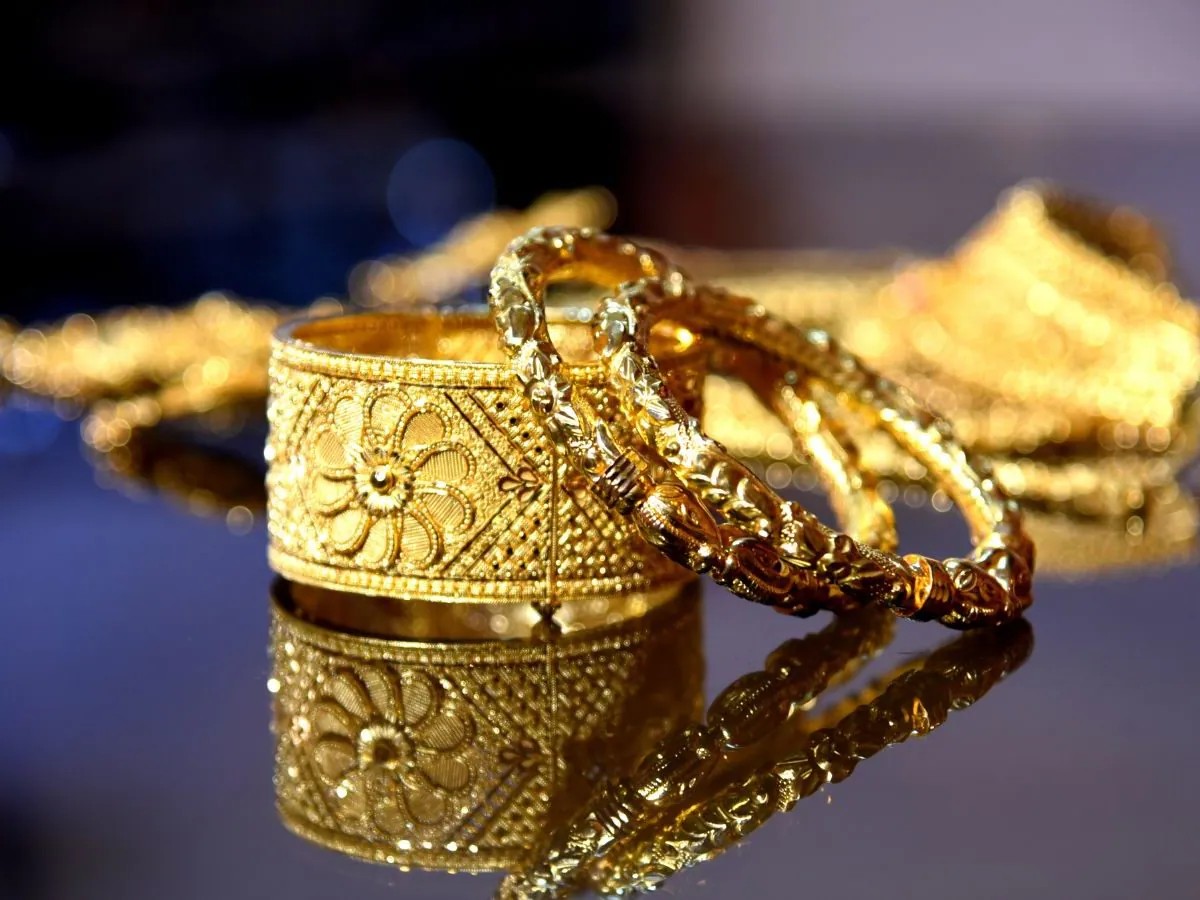
India is the world's second-largest consumer of gold after China, making the purity of the precious metal a major concern for millions of buyers. The country imported around 640 tonnes of gold last year, with the total value reaching a record $72.4 billion. However, a recent media report has raised questions about gold purity by alleging that a rare metal powder called rhenium is being mixed with gold to increase its weight.
According to the report, rhenium powder is allegedly being imported largely from China and used as an adulterant in gold. The claims have also raised concerns about whether conventional gold-testing methods and hallmarking equipment can reliably identify such adulteration.
The allegations have brought renewed attention to the technology used to assess gold purity and the challenges faced by testing laboratories.
What Is Rhenium Powder?
Rhenium is a rare and dense transition metal. In powder form, it is a specialised industrial material known for its high melting point and ability to withstand extreme temperatures.
Rhenium has a melting point of approximately 3,180°C to 3,186°C and a density of around 21.02 grams per cubic centimetre. These properties make it valuable in industries that require materials capable of performing under intense heat and demanding conditions.
The metal is particularly important in the production of high-temperature alloys, including those used in aerospace applications and jet engine components. Its thermal stability and resistance to extreme temperatures make it a specialised material with applications beyond ordinary industrial use.
Where Is Rhenium Used?
Rhenium has several specialised industrial applications. One of its major uses is in high-performance superalloys designed for demanding operating environments.
It is also used in chemical and petroleum refining as a catalyst. Certain medical X-ray equipment and specialised components, including anode plates, also use rhenium.
The material is generally sold in high-purity forms, either as fine metallic powder or as precursor compounds such as ammonium perrhenate.
How Is Rhenium Powder Manufactured?
Producing rhenium powder is a complex industrial process. The metal is generally recovered from molybdenum-bearing copper ores, from which rhenium is extracted in the form of ammonium perrhenate.
The compound is then processed at high temperatures using hydrogen gas, converting it into metallic rhenium powder.
Its market price varies depending on purity and quality. The figures cited in the report put its price at approximately $3,000 to $3,400 per 100 grams, making it an expensive specialised metal.
Is Rhenium Powder Being Imported from China?
The media report claims that rhenium powder allegedly being used in gold adulteration is entering India from China.
It also refers to an agent based in Shenzhen, China, whose company reportedly manufactures rhenium powder. According to the claims cited in the report, the agent has said that the company has dealers in several Indian cities.
These claims have raised questions about the possible supply chain and distribution of the material. However, the alleged use of imported rhenium in gold adulteration would require independent investigation and confirmation by the relevant authorities.
Why Is Detecting Rhenium in Gold Difficult?
One of the main concerns highlighted in the report is the difference between the density of rhenium and gold.
Rhenium has a density of approximately 21 grams per cubic centimetre, while gold has a density of around 19.3 grams per cubic centimetre. Since their densities are relatively close, adding rhenium to gold may not cause a substantial change in the overall density of the resulting mixture.
The report alleges that this similarity can make the adulteration difficult to identify through conventional testing methods. It further claims that some traditional gold-purity checks and hallmarking processes may fail to detect the presence of the metal.
Modern analytical techniques can help identify the elemental composition of a sample, but the exact testing method required depends on the material and the nature of the suspected adulteration.
What Does This Mean for Gold Buyers?
The allegations have highlighted the importance of reliable gold-testing systems, transparent hallmarking procedures and advanced laboratory analysis.
Consumers should purchase gold from established and trusted jewellers, check hallmarking and purity details, and seek independent testing if they have specific concerns about a purchase.
The claims surrounding rhenium powder have not, by themselves, established how widespread such adulteration may be in India. A clear assessment will require verification through scientific testing, regulatory investigation and confirmation from the relevant authorities.
What's Your Reaction?
 Like
0
 Dislike
0
 Love
0
 Funny
0
 Wow
0
 Sad
0
 Angry
0

Vivek Awasthi is a Digital Content Producer at Prime Time India (English). He joined in March 2025. As a member of the news team, he is responsible for editing and curating national news, as well as stories concerning Delhi and crime. He also engages in field reporting from time to time; Vivek has a keen interest in going out into the field to uncover the stories behind the news.













Comments (0)